
Description
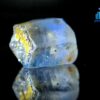
Ceylon Natural Blue Sapphire Crystal with Eye-Visible Moving Gas Bubble Inclusion
Some gemstones are valued for color, some for clarity, and some for the rare natural stories they carry inside. This Ceylon Natural Blue Sapphire Crystal from Kataragama village around mining in Sri Lanka belongs to the third category. It is not only a sapphire crystal, but also a rare gemological specimen showing a visible two-phase fluid inclusion with a moving gas bubble inside a natural cavity.
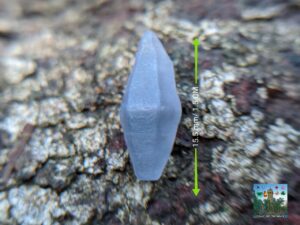
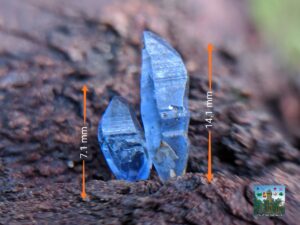
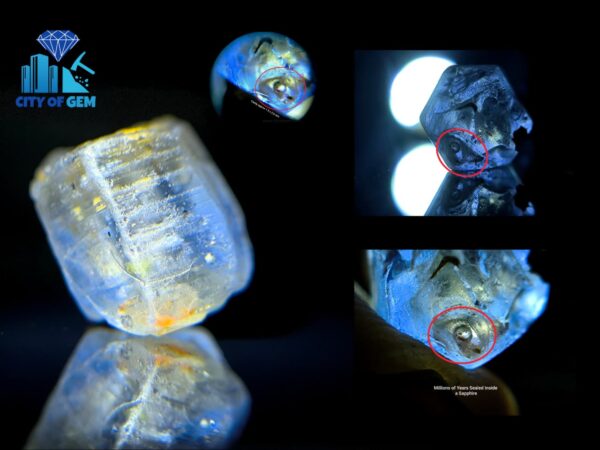
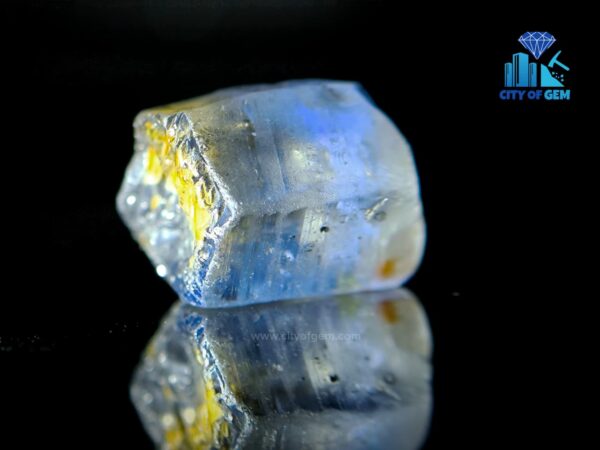
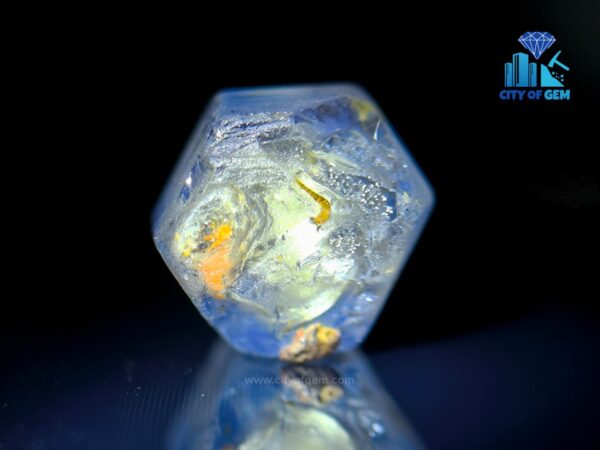
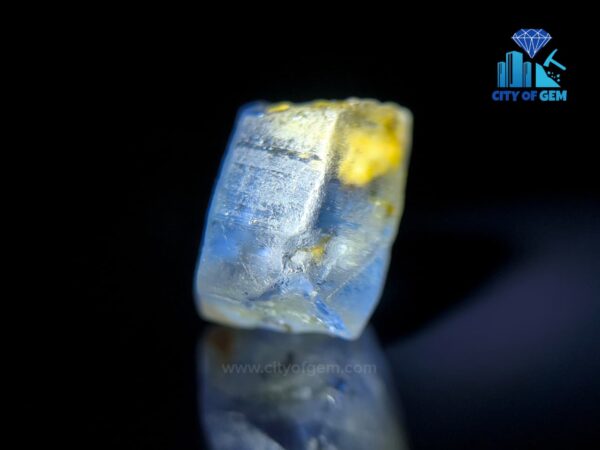
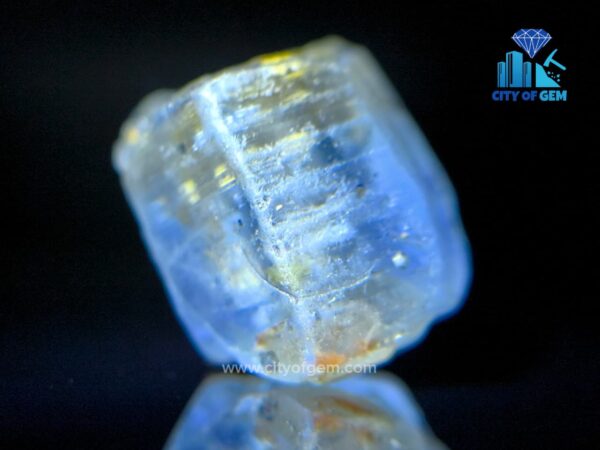
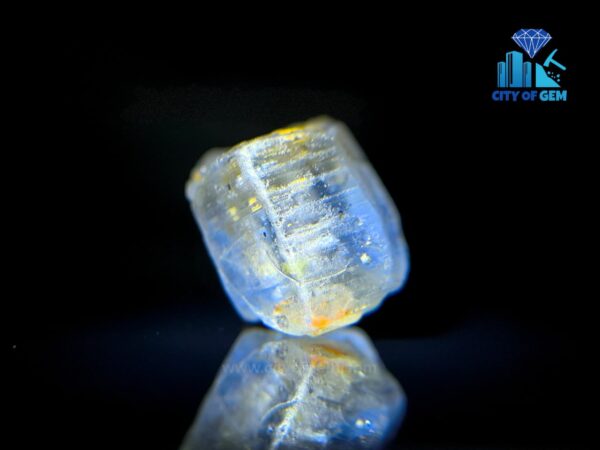
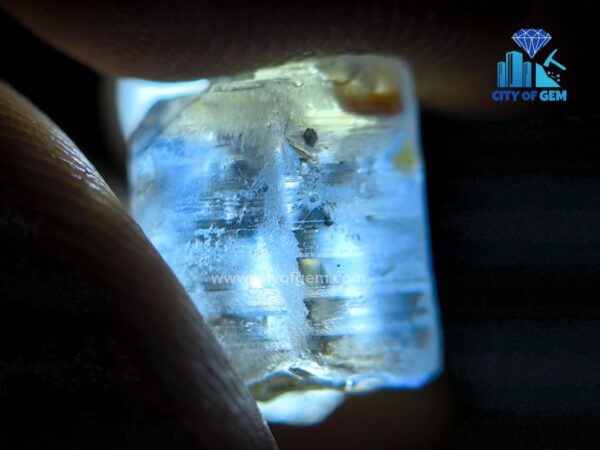
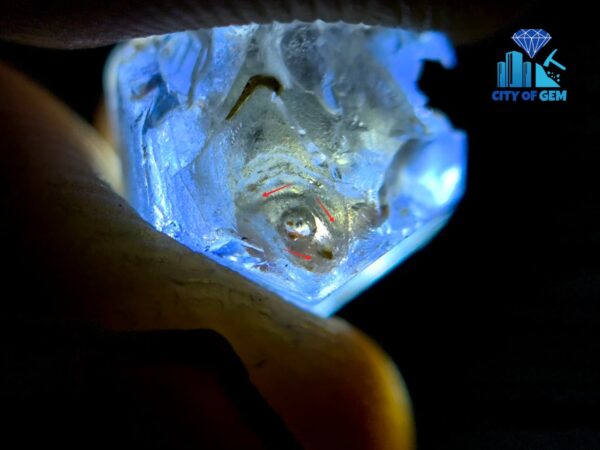
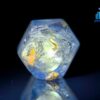
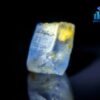
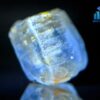
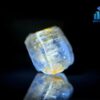
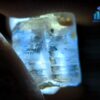
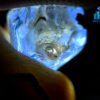
This natural sapphire crystal weighs 7.83 carats and measures 9.3 x 8.6 x 7.5 mm. Its body shows a light blue to glassy blue appearance with excellent luster and naturally occurring growth marks. The crystal form is especially attractive, showing a six-sided hexagonal tabular body, sometimes called a barrel crystal in the local gemstone market. This shape gives the stone a strong natural identity, preserving the original structure formed underground before any cutting or polishing.
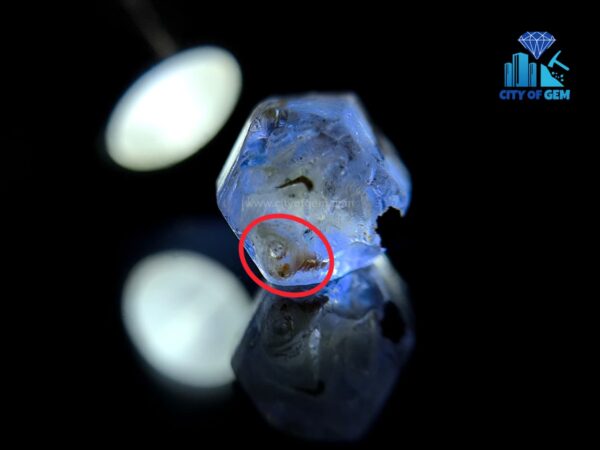
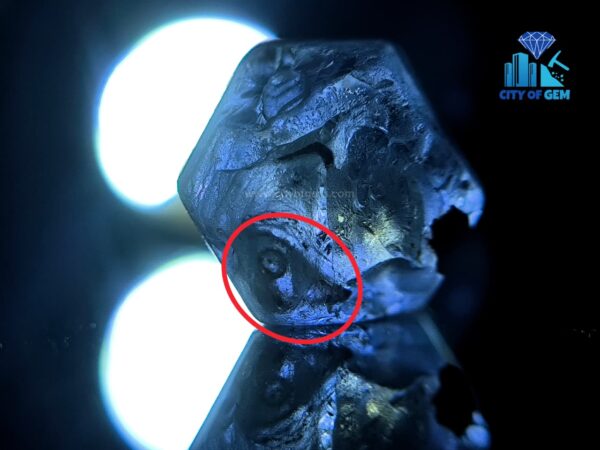
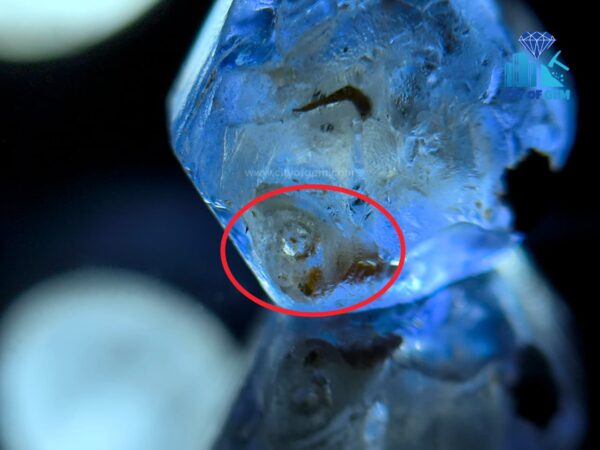
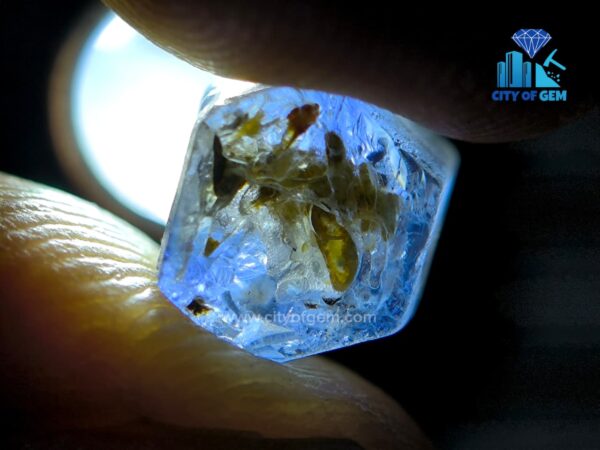
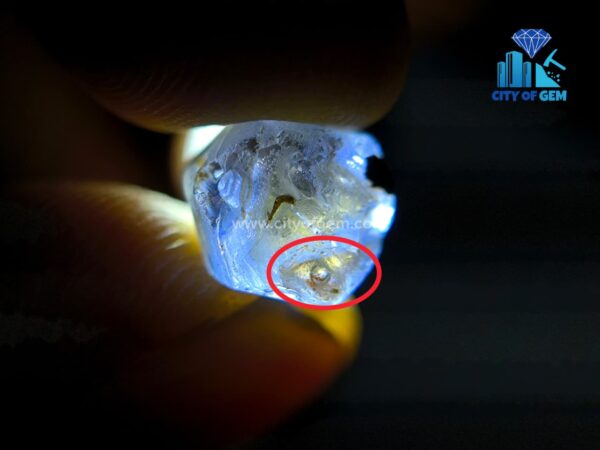
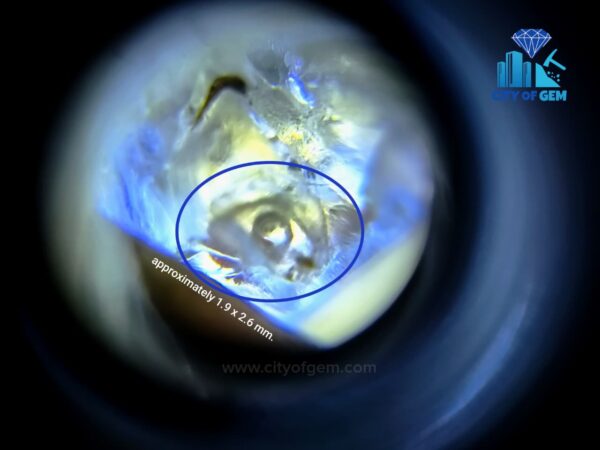
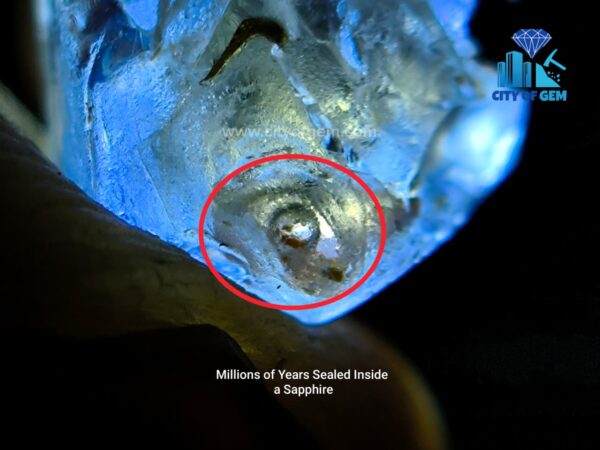
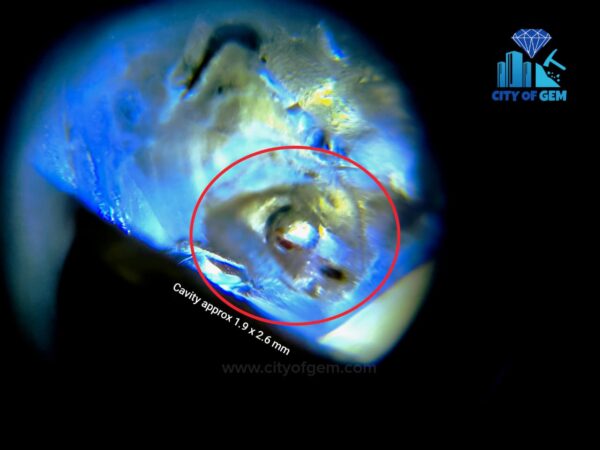
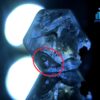
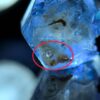
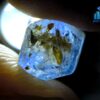
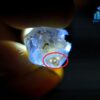
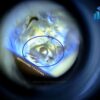
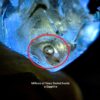
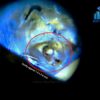
The most important feature of this sapphire is its eye-visible moving gas bubble. Inside the crystal is a natural cavity measuring approximately 1.9 x 2.6 mm, containing liquid and gas. This type of feature is known in gemology as a two-phase fluid inclusion. When the sapphire is tilted, the gas bubble can move inside the liquid-filled cavity, making the inclusion active and visually fascinating. In the gemstone market, stones with this character are sometimes called “enhydro sapphire,” although the professional gemological description is a two-phase fluid inclusion in natural corundum.
Two-phase inclusions are more familiar in minerals such as quartz, where moving bubbles are often easier to observe. In sapphire, however, a moving gas bubble that can be seen clearly without strong magnification is much less common. This makes the stone interesting not only as a natural sapphire, but also as a small geological record. The liquid and gas were trapped inside the crystal during formation, preserving a tiny part of the environment in which the sapphire grew.
The unheated condition adds further importance. No heat treatment has been used to alter the appearance of this sapphire, allowing collectors and gemology lovers to appreciate the stone as nature formed it. In rare crystal specimens, natural condition, internal features, origin, and formation can be more meaningful than traditional cutting value. This piece is best understood as a collector-grade sapphire crystal and a gemological study specimen rather than a faceting rough stone.
The most fascinating part is that this inclusion is not a modern feature. The liquid and gas were trapped naturally inside the sapphire during crystal growth, likely millions of years ago. When the stone is tilted today, the movement of the gas bubble allows us to see a small part of that ancient geological environment still preserved inside the crystal.
Sri Lanka, historically known as Ceylon, has produced some of the world’s most respected sapphires for centuries. While many Sri Lankan sapphires are admired after cutting, crystals like this remind us that natural rough specimens can also hold great importance. A sapphire with a glassy body, visible growth marks, hexagonal form, and a moving gas bubble inclusion connects beauty with science.
For collectors, this Kataragama sapphire offers something beyond ordinary gemstone appeal. It shows color, form, origin, and a rare internal phenomenon together in one natural crystal. For gemological study, it is a meaningful example of how fluid inclusions can preserve natural evidence inside corundum. For City of Gem, this kind of stone reflects the value of source-connected gemstone work: finding not only beautiful stones, but unusual natural specimens that carry a deeper story from the earth.