Description
Premium Pyrope-Almandine Garnet Rough from Rakwana, Sri Lanka
Sri Lanka, known historically as Ceylon, has been celebrated for centuries as one of the world’s most prolific sources of precious gemstones. Among its geological treasures, the garnets from the Rakwana region stand out for their exceptional quality, vibrant coloration, and remarkable clarity. Today, we explore an outstanding specimen that exemplifies why Ceylon garnets remain highly sought after by gem cutters, collectors, and jewelry designers worldwide.
The Rakwana Region: A Geological Paradise
Located in the Sabaragamuwa Province of Sri Lanka, Rakwana has earned its reputation as a premier garnet-producing region. The area’s unique geological conditions, formed over millions of years through metamorphic processes, create the perfect environment for garnet crystallization. The region’s alluvial deposits, enriched by centuries of natural weathering and transportation, yield garnets with exceptional clarity and color saturation.
Understanding Pyrope-Almandine Garnets
Garnets are not a single mineral but rather a group of closely related silicate minerals. The pyrope-almandine variety represents a solid solution between two end-members: pyrope (magnesium aluminum silicate) and almandine (iron aluminum silicate). This particular composition produces the classic deep red to crimson coloration that garnet enthusiasts cherish. Ceylon pyrope-almandine garnets are particularly prized for their clean clarity and vibrant hues, distinguishing them from garnets found in other global localities.
Specimen Overview
An Exceptional Rough Garnet
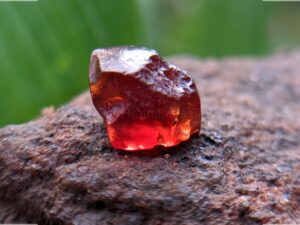
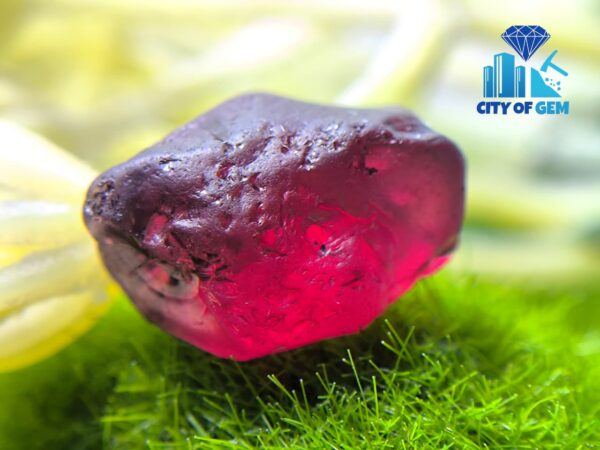
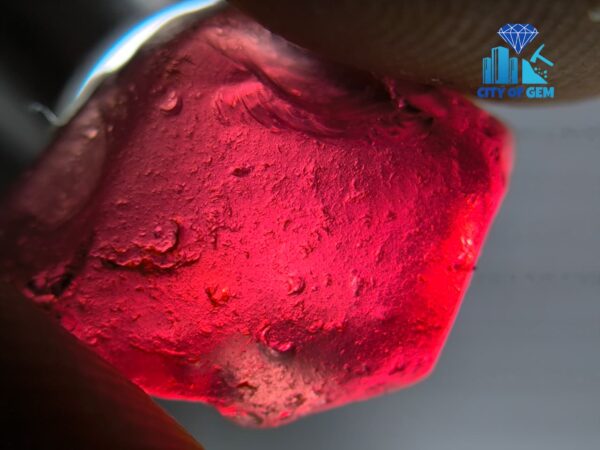
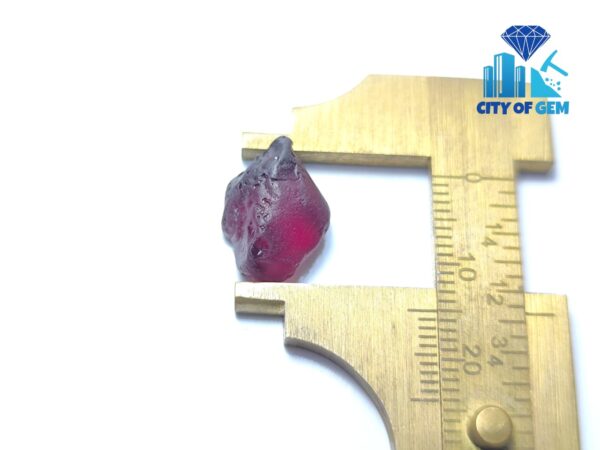
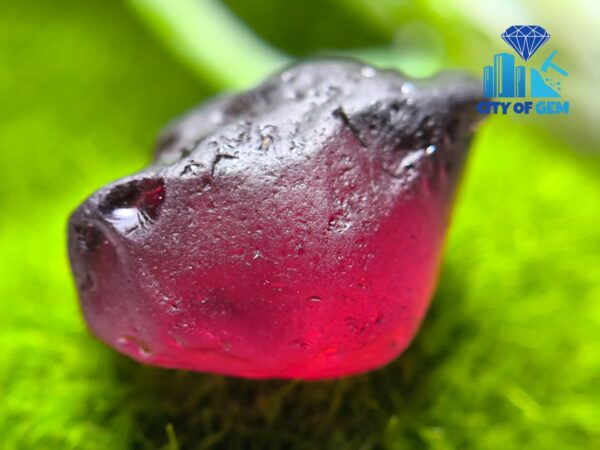
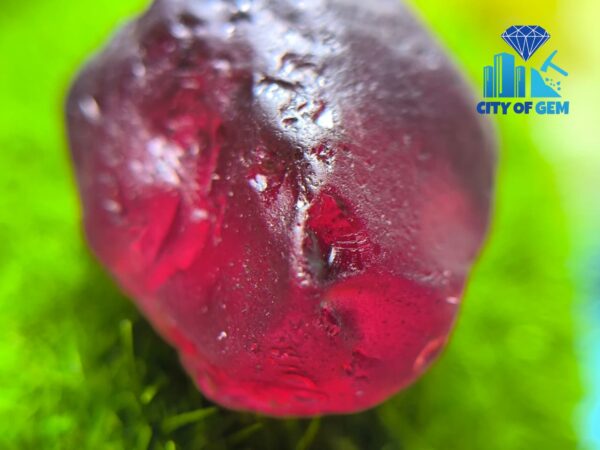
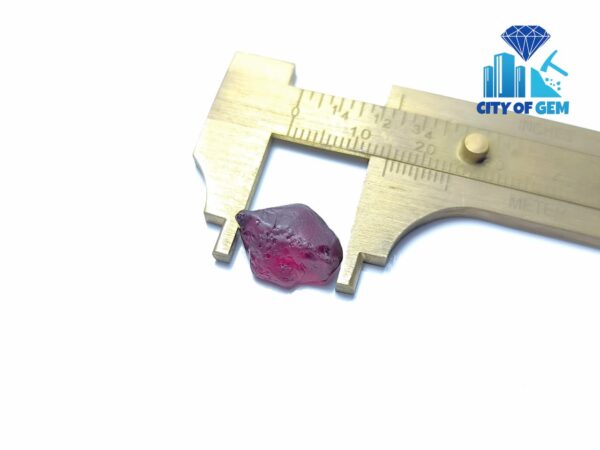
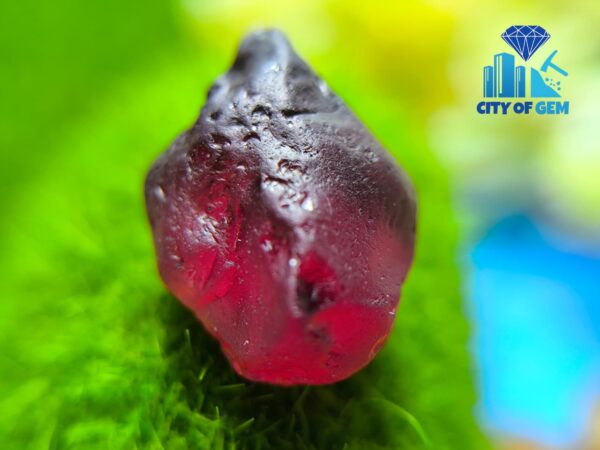
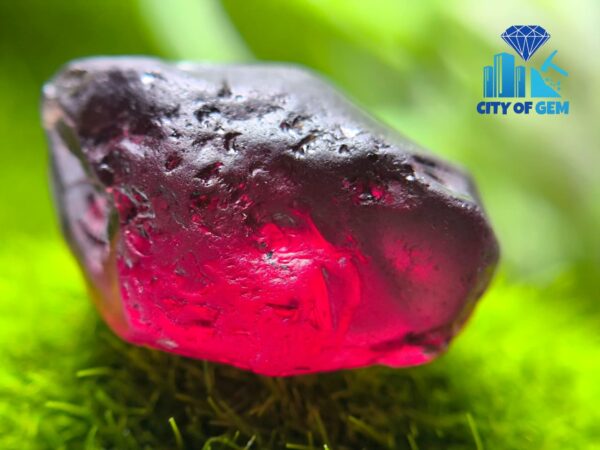
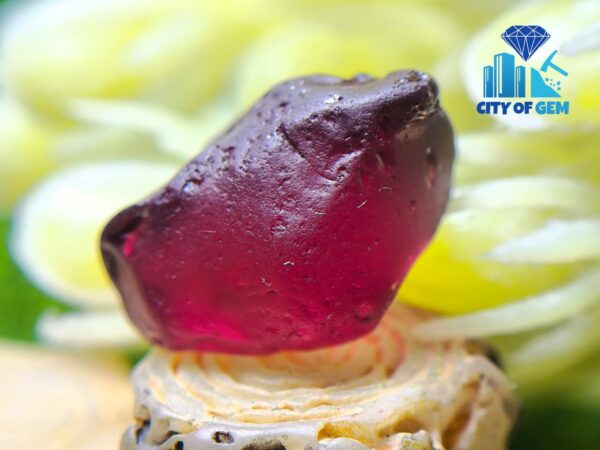
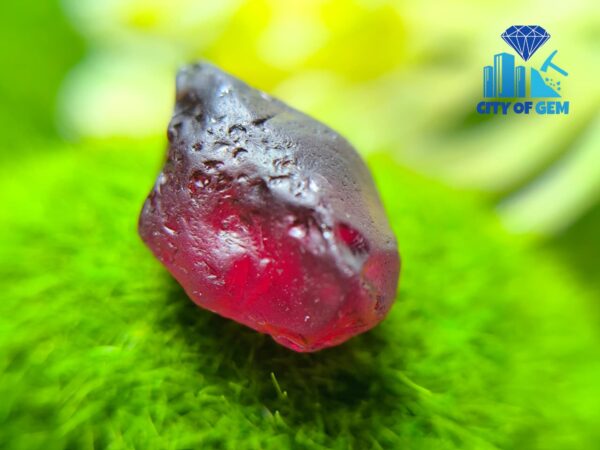
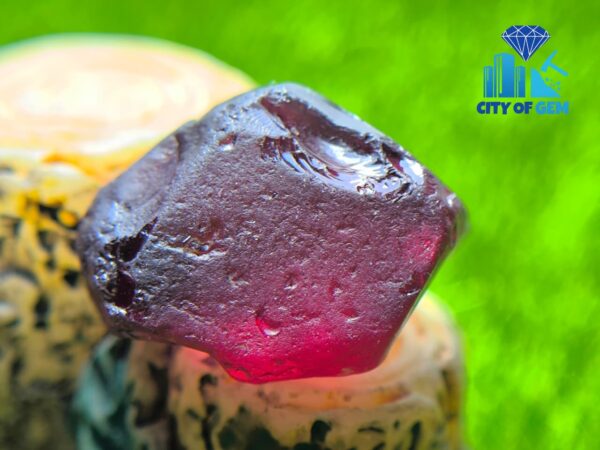
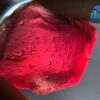
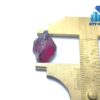
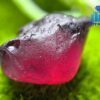
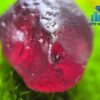
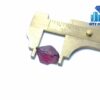
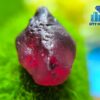
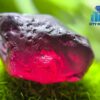
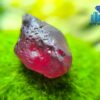
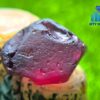
This natural garnet rough weighs an impressive 11.88 carats, with dimensions measuring 16.5 x 11.5 x 7.5 millimeters. What immediately strikes observers is the stone’s rich red coloration and exceptional transparency. The clarity grade of “clean” indicates that this specimen is free from visible inclusions, fractures, or cloudiness—a relatively rare characteristic in rough garnet material of this size.
Natural Formation and Characteristics
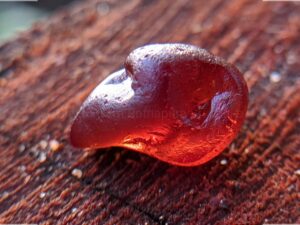
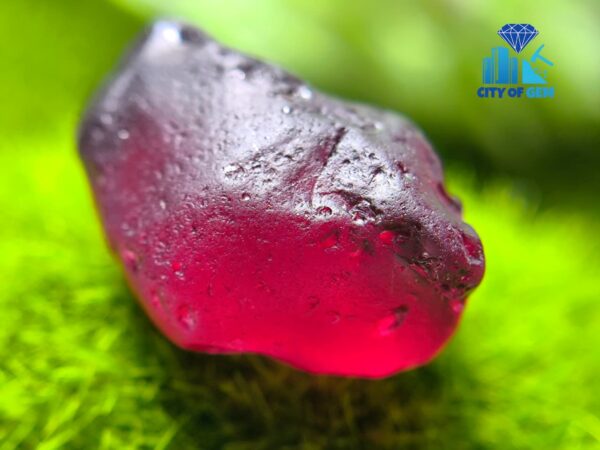
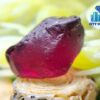
The stone’s organic, water-worn contours tell a fascinating geological story. These smooth, rounded surfaces suggest alluvial transportation through Rakwana’s gem-bearing gravels. Over centuries, perhaps millennia, natural tumbling action in ancient riverbeds has polished the garnet, removing weaker surface material and revealing the stone’s inherent structural integrity. This natural pre-forming process is actually advantageous for lapidaries, as it indicates a durable crystal structure capable of withstanding the rigors of cutting and polishing.
The specimen exhibits the characteristic vitreous luster of high-quality garnet, with light penetrating deeply into the stone to reveal its intense crimson core. This optical property confirms both the material’s transparency and its freedom from internal defects.
Unheated and Untreated
Natural Beauty Preserved
In today’s gemstone market, treatment disclosure is paramount. This garnet is completely natural and unheated, meaning its color and clarity are exactly as nature created them. Unlike many gemstones that undergo heat treatment, irradiation, or chemical enhancement to improve their appearance, this specimen requires no intervention. Its beauty is entirely geological in origin, making it particularly valuable to collectors and ethical jewelry designers who prioritize natural, untreated materials.
Faceting Potential and Yield Optimization
One of this specimen’s most compelling attributes is its shape. The natural rounded form is remarkably close to an ideal cutting geometry, which translates directly into excellent yield potential.
For lapidaries, this means multiple cutting options. The elongated proportions (16.5 x 11.5 mm) are ideal for an elegant cuts, which would emphasize the stone’s length while maximizing brilliance. The 7.5 mm depth offers sufficient material for proper pavilion angles, ensuring optimal light return and the fiery red flashes that make garnets so captivating.
At this size, the garnet would be suitable for statement rings, pendants, or even as a unique addition to a gemstone collection.
Investment and Collection Value
Ceylon gemstones have historically appreciated in value, particularly specimens with documented origins from renowned mining regions like Rakwana. Untreated, natural rough material of facet grade represents both an immediate opportunity for lapidary work and a long-term investment. As global awareness of ethical sourcing increases, the premium on verifiably natural, untreated gemstones continues to grow.
For collectors, this specimen offers the opportunity to own a piece of Sri Lanka’s geological heritage. The combination of excellent size, superior clarity, natural treatment status, and documented Rakwana origin makes this garnet a noteworthy addition to any serious collection.
Conclusion
This 11.88-carat pyrope-almandine garnet rough from Rakwana represents an exceptional opportunity for lapidaries, collectors, and jewelry designers. Its combination of substantial size, clean clarity, vibrant natural color, and yield-friendly shape makes it a standout specimen. Whether destined for faceting into a magnificent finished gem or preserved as a natural mineral specimen, this garnet embodies the geological excellence that has made Ceylon famous throughout gem-loving cultures worldwide.
For those seeking authentic, untreated gemstone material with excellent potential, this Rakwana garnet deserves serious consideration.