
Description
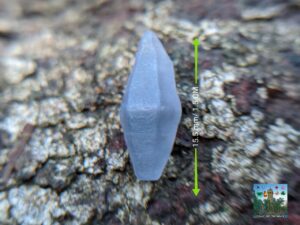
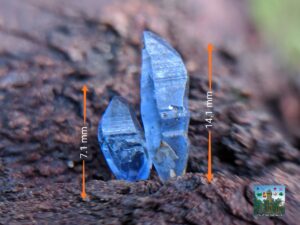
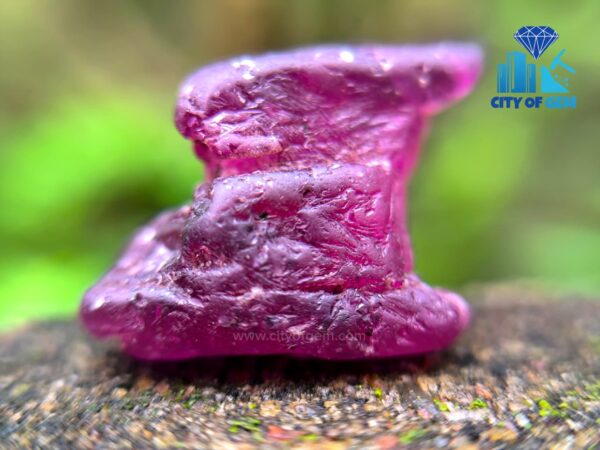
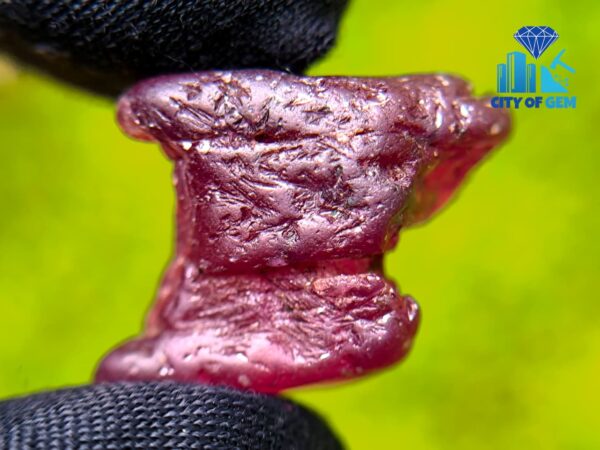
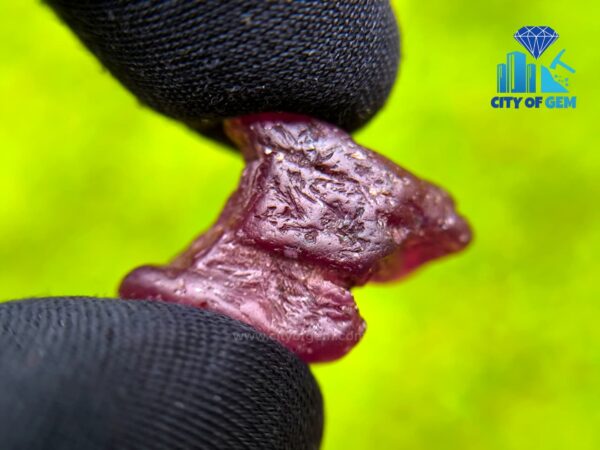
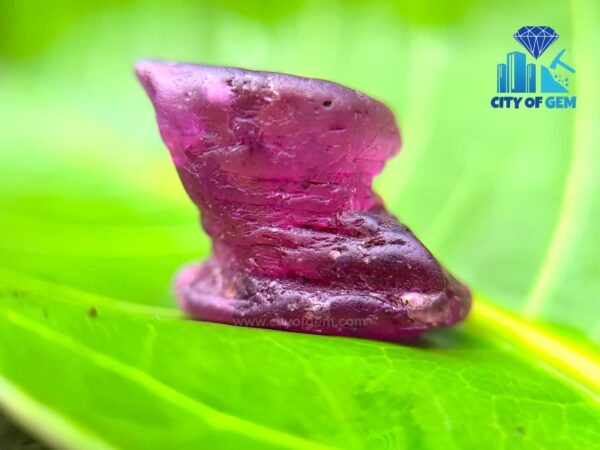
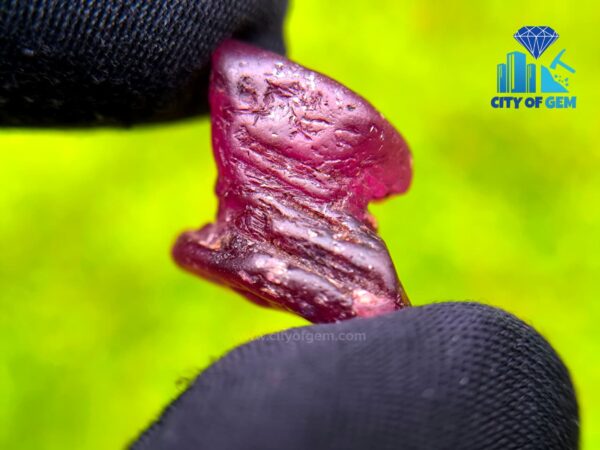
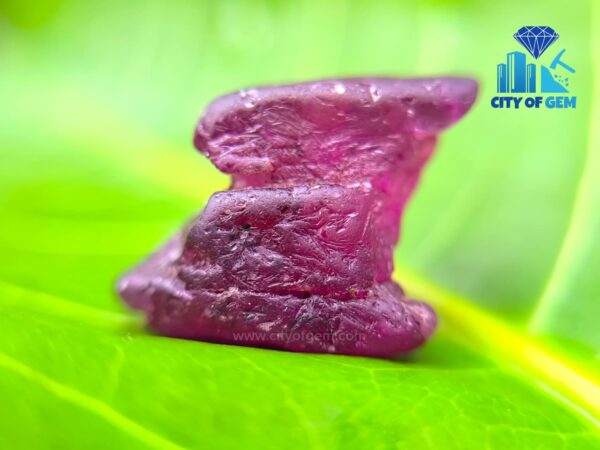
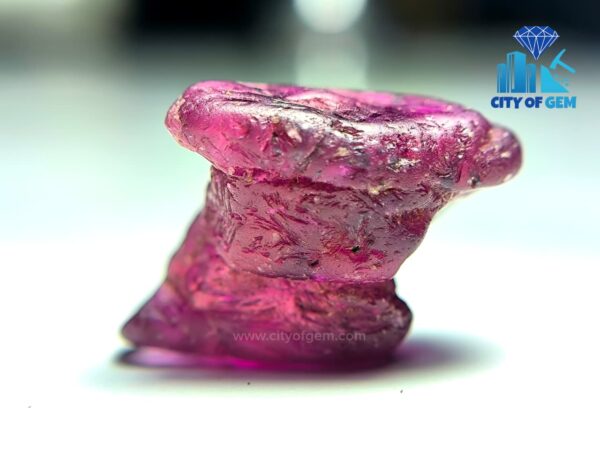
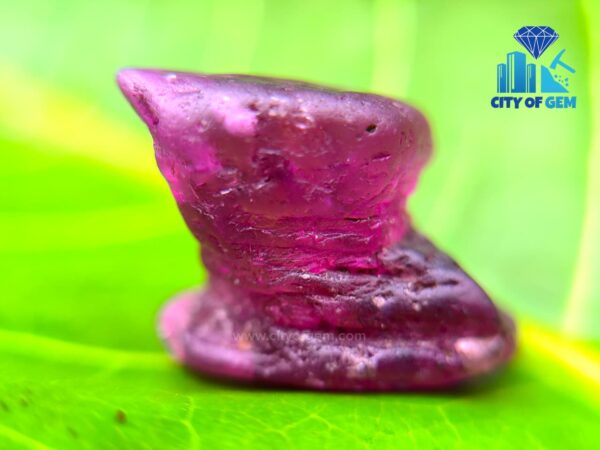
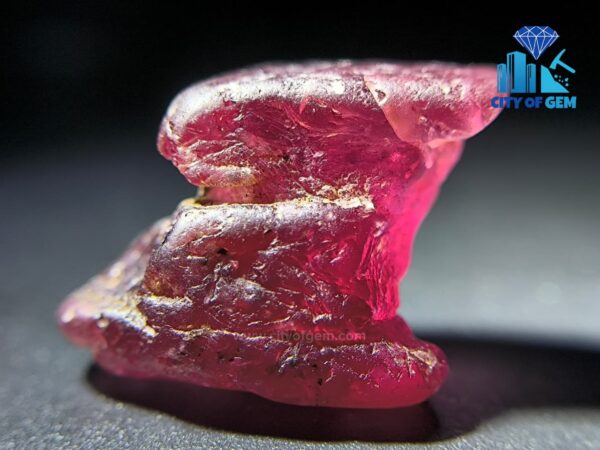
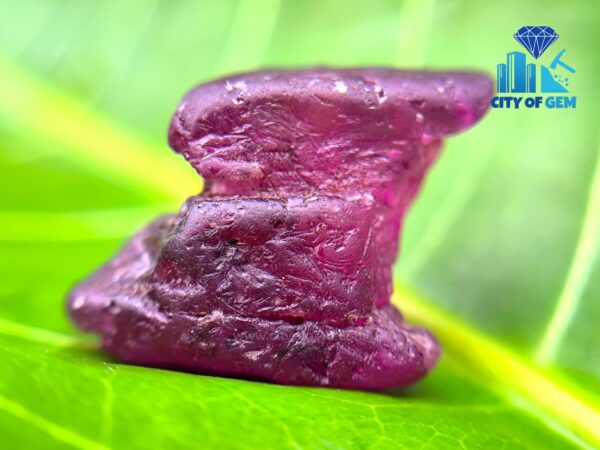
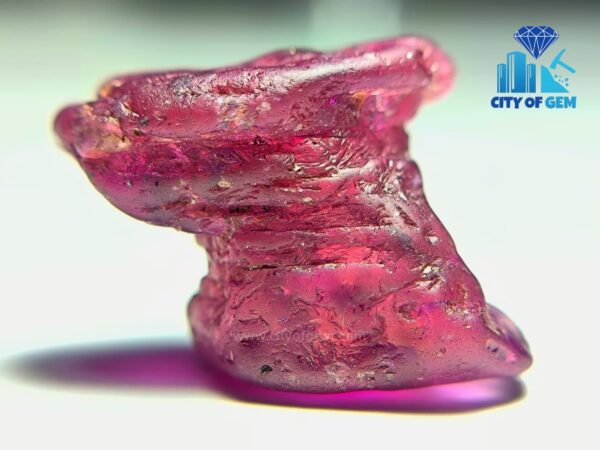
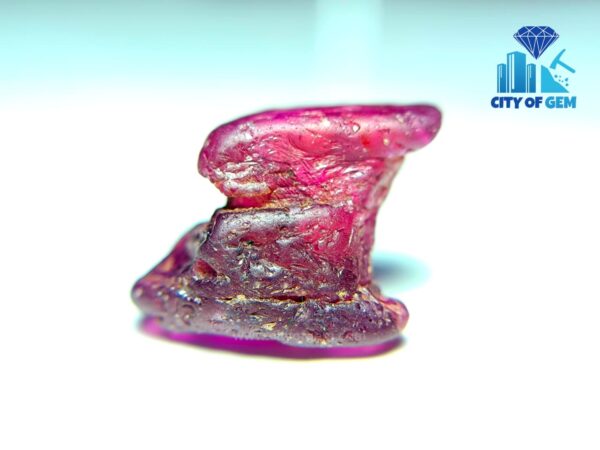
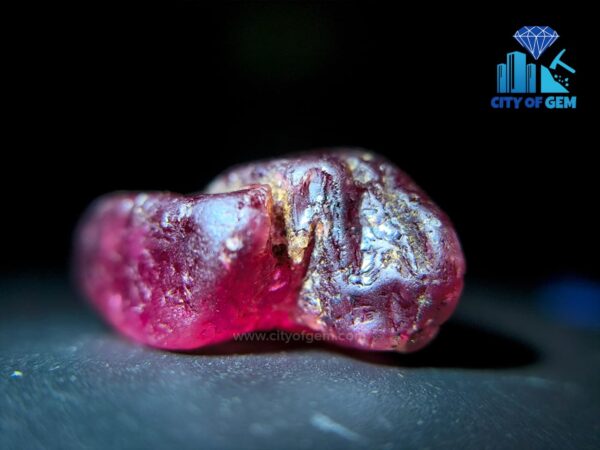
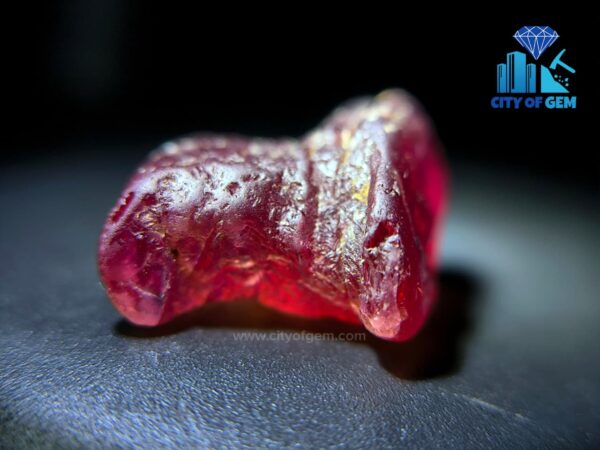
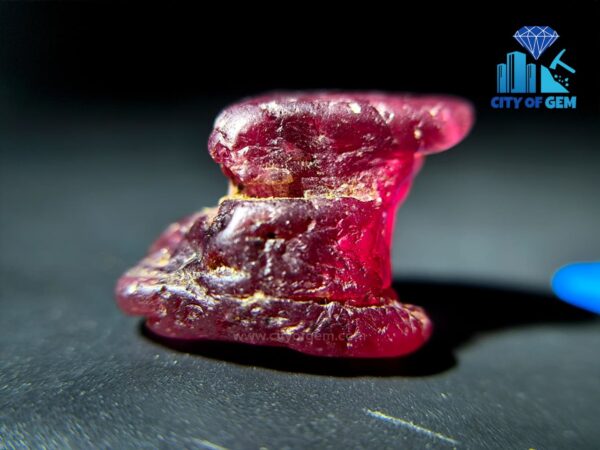
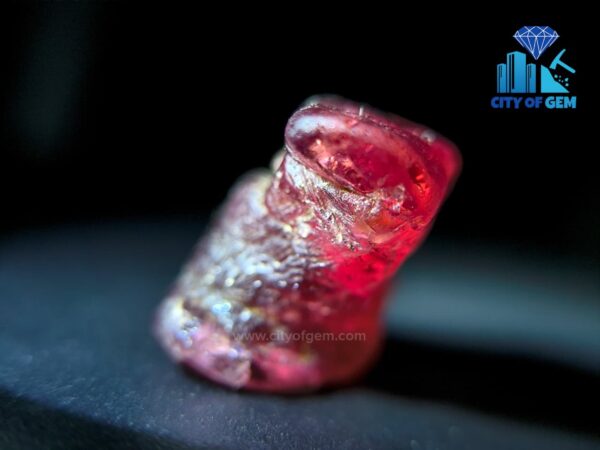
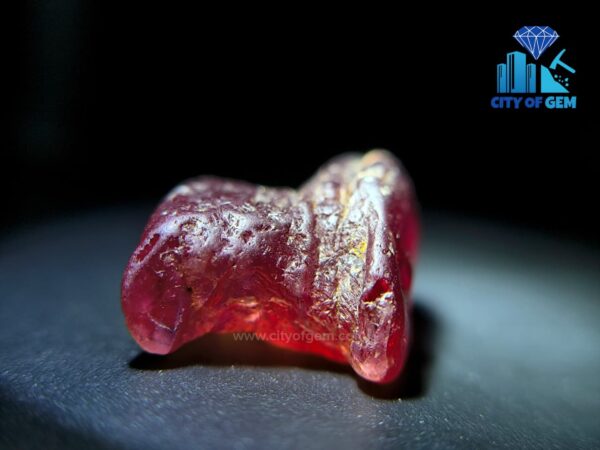
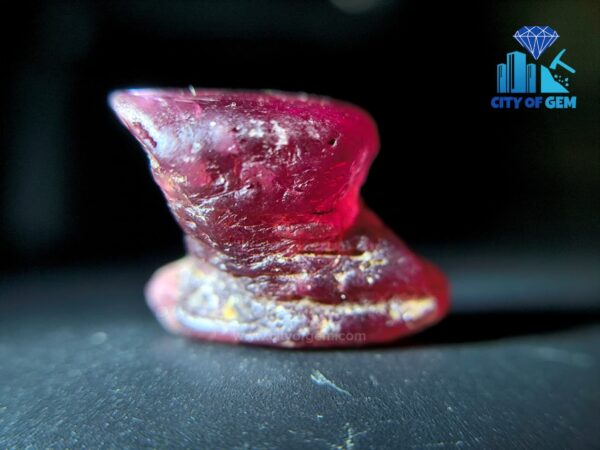
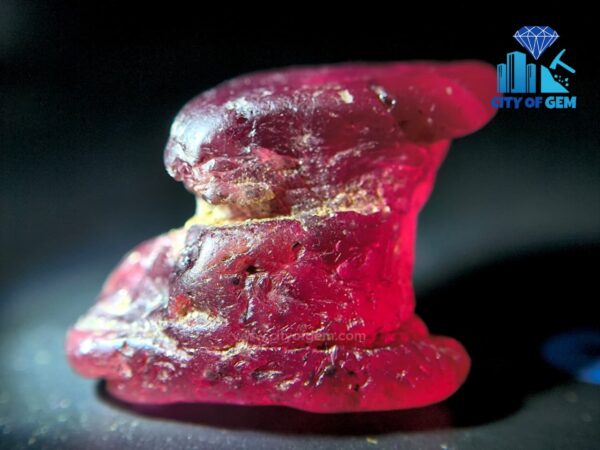
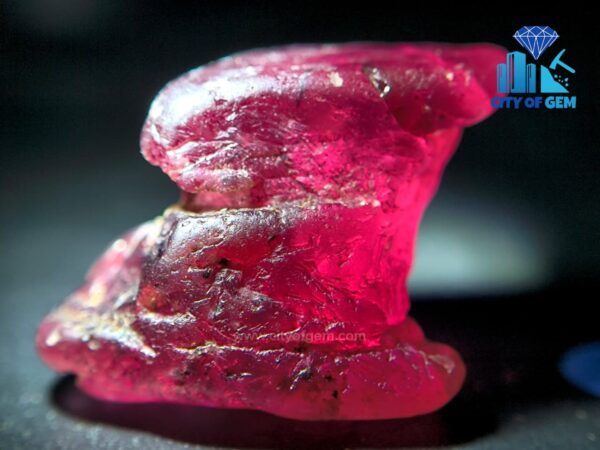
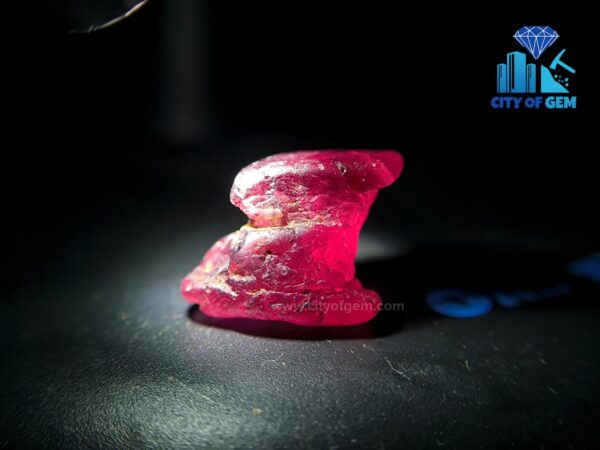
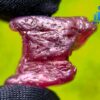
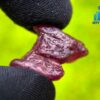
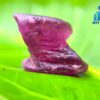
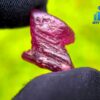
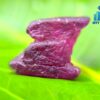
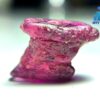
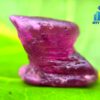
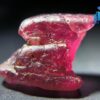
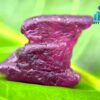
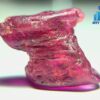
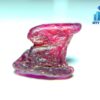
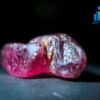
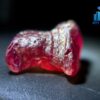
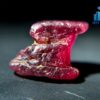
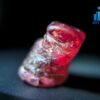
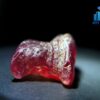
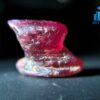
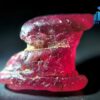
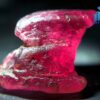
Natural ruby specimens often carry a different kind of beauty from faceted stones, and this Madagascar piece is a strong example of that quiet appeal. At 20.00 carats and measuring 16.3 x 13.4 x 9.2 mm, this unheated ruby crystal specimen presents a purplish red body colour that feels rich, earthy, and naturally formed rather than overly polished. Its silhouette is irregular and freeform, shaped by natural crystal development and later surface wear, giving it a sculptural presence that immediately separates it from standard gem rough or calibrated jewellery stones.
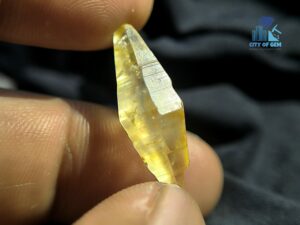
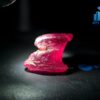
What makes this ruby especially interesting is the way it behaves in different lighting. In daylight, the body tone appears deeper and more grounded, showing the specimen character clearly. Under fluorescent or transmitted light, the ruby opens beautifully, revealing a brighter inner purplish red glow and a more translucent personality. This contrast gives the piece depth and visual interest, allowing designers, collectors, and fine jewellers to appreciate both its natural exterior and its inner colour response.
Madagascar has become highly respected in the world of natural gemstones, particularly for corundum and other important gem materials. A ruby from this origin already carries geological significance, but when the stone is left unheated, its value becomes even more meaningful from a collector’s perspective. Unheated ruby preserves the gem’s natural state, allowing its colour, internal character, and formation features to speak without artificial enhancement. For those who respect origin, authenticity, and natural stone culture, that matters deeply.
This specimen is best understood not as a standard faceting stone, but as a natural crystal form with display, design, and carving potential. Its shape has a soft sculptural balance, with an upper projection and a stable lower spread that give it visual individuality. That makes it suitable for bespoke jewellery concepts, object-based design inspiration, or small artistic carving evaluation where natural formation is part of the final beauty. Rather than forcing the stone into a conventional category, this ruby invites appreciation for what it already is: a naturally expressive gemstone form.
For collectors, it offers origin, natural colour, and specimen character. For jewellers and designers, it offers shape language, texture, and the possibility of one-of-a-kind interpretation. In a market often dominated by precision cutting and identical layouts, a natural ruby specimen like this brings back the emotional side of gemstones — the part where geology, form, and light meet in a way no factory standard can repeat.