
Mar 10, 2026
Rare Twin Sapphire Crystal from Rakwana, Sri Lanka – A Natural Gemological Marvel
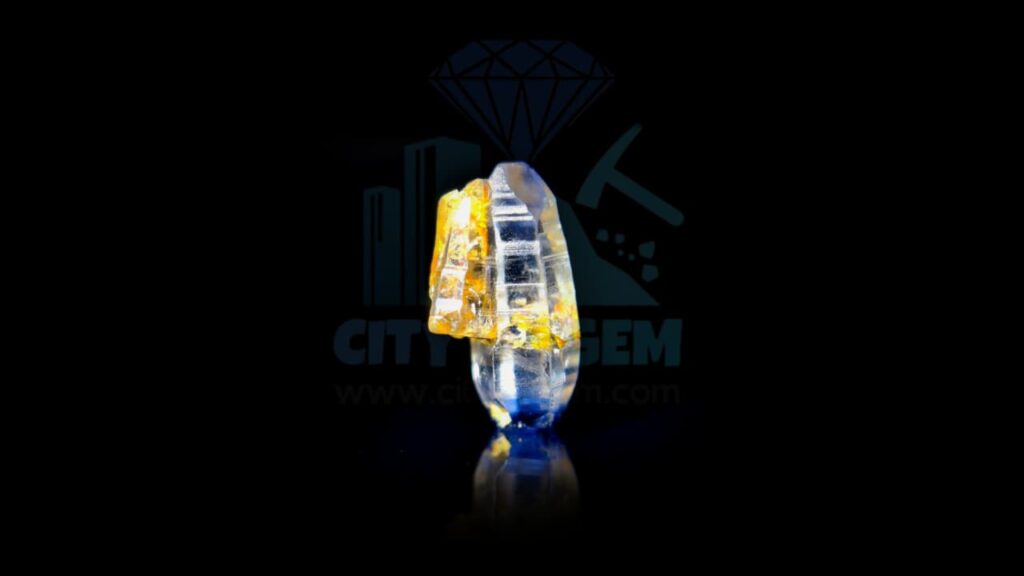
Sri Lanka has long been celebrated as one of the world’s most important gemstone sources. Known historically as “Ratna Dweepa” or Island of Gems, the country continues to produce extraordinary mineral specimens that fascinate collectors, gemologists, and researchers alike. Among these remarkable discoveries are rare natural sapphire crystals displaying unique geological features such as twin crystal formations.
One exceptional example comes from the mountainous gem deposits of Rakwana, a region famous for producing high-quality gemstones with distinctive crystal structures. This particular sapphire specimen measures 7.8 × 4.6 × 3.7 mm and exhibits an unusual twin crystal form, making it an especially valuable piece for mineral collectors and gemological study.
Understanding Sapphire: The King of Corundum
Sapphire belongs to the mineral species Corundum, composed primarily of aluminum oxide (Al₂O₃). Corundum is one of the hardest natural minerals, ranking 9 on the Mohs hardness scale, second only to diamond.
While sapphires are most commonly known for their deep blue color, they can occur in a wide variety of hues due to trace elements within the crystal structure. Iron and titanium often produce the classic blue color, while other elements may create yellow, pink, mix colors or colorless varieties.
Sri Lanka is especially famous for producing highly transparent sapphires with excellent crystal clarity.
Rare Twin Crystal Formation
One of the most fascinating aspects of this specimen is its twin crystal structure. In mineralogy, a twin crystal occurs when two separate crystals grow together in a symmetrical orientation during the crystallization process.
This phenomenon happens when the crystal lattice aligns along a shared plane or axis, creating a mirrored or intergrown structure. Twin formations are highly valued because they demonstrate the complex conditions that occur deep within the Earth during crystal growth.
Twin sapphires are significantly less common than single crystals, making them particularly attractive to collectors and gemologists who study crystal morphology.
Crystal Characteristics of the Specimen
This Rakwana sapphire crystal displays several remarkable natural features:
Dimensions:
7.8 × 4.6 × 3.7 mm
Crystal Structure:
Natural twin crystal formation
Transparency:
Excellent transparent glassy body
Color Zoning:
White and blue color zoning visible
Growth Features:
Natural crystal growth marks clearly visible
These features provide valuable insight into the geological conditions that shaped the crystal during formation. Color zoning occurs due to changes in trace elements and temperature conditions during crystal growth, producing beautiful internal patterns within the sapphire.
The Geological Importance of Rakwana
The gem-bearing region of Rakwana lies within Sri Lanka’s famous Highland Complex, a geological formation known for its metamorphic rocks and rich gem deposits.
Over millions of years, extreme heat and pressure transformed these rocks, allowing minerals like corundum to crystallize within the host material. Weathering and erosion later released these gemstones into riverbeds and mountain deposits where miners discover them today.
Rakwana is particularly known for producing:
Natural sapphire crystals
Spinel gemstones
Garnet minerals
Rare crystal specimens
The mountainous terrain and unique geology make the area one of the most important gem sources in Sri Lanka.
Why Collectors Value Natural Crystal Specimens
While cut gemstones dominate the jewelry market, natural crystal specimens hold special importance for collectors and scientists. These pieces preserve the original geological form of the mineral, allowing researchers to study:
Natural crystal growth patterns
Geological formation conditions
Mineral symmetry and morphology
Color zoning distribution
Specimens like this twin sapphire are not only beautiful but also scientifically valuable.
The Beauty of Untreated Natural Sapphire
Another remarkable feature of this crystal is that it is unheated. Most sapphires on the global market undergo heat treatment to enhance color and clarity.
However, natural untreated sapphires preserve their original geological characteristics, making them especially desirable among collectors and gem enthusiasts.
Unheated crystals provide a true representation of how the gemstone formed naturally inside the Earth.
Sri Lanka – The Legendary Island of Gems
For more than 2,000 years, Sri Lanka has been recognized as one of the world’s premier gemstone sources. Historical records show that traders from ancient Persia, Rome, and China traveled to the island in search of its legendary gemstones.
Today, Sri Lanka remains one of the most important global suppliers of:
Padparadscha sapphire
Star sapphire
The country’s gem industry combines traditional mining methods with modern gemological expertise.
FAQ – Twin Sapphire Crystals
What is a twin crystal in gemstones?
A twin crystal forms when two individual crystals grow together in a symmetrical arrangement due to shared crystal lattice alignment during formation.
Are twin sapphires rare?
Yes. Twin sapphire crystals are relatively rare compared to single crystals, making them desirable for collectors and mineral enthusiasts.
What causes color zoning in sapphire?
Color zoning occurs due to variations in trace elements such as iron and titanium during different stages of crystal growth.
Why are unheated sapphires valuable?
Unheated sapphires retain their natural color and internal characteristics, making them more desirable to collectors and gem purists.
Where is Rakwana located?
Rakwana is a mountainous gem-producing region in southern Sri Lanka, known for its rich gemstone deposits.